
Global Remote Recruitment is being reshaped by AI, video-based hiring, and borderless talent, enabling companies to hire smarter, faster, and more confidently across the world.
Global hiring has changed dramatically over the past few years. Businesses are no longer restricted to hiring talent within commuting distance of their office or even within their country. The rise of remote work, digital collaboration tools, and AI-driven recruitment technology has created a borderless hiring economy where companies can access talent from almost anywhere in the world. This transformation has accelerated global remote recruitment and fundamentally changed how employers identify, evaluate, and hire candidates. According to industry research, remote job postings continue to attract significantly higher application volumes compared to traditional office-based roles, proving that global talent mobility is stronger than ever. However, with this opportunity comes complexity. Employers now face challenges related to candidate authenticity, communication assessment, screening consistency, and hiring scalability. Traditional hiring systems were not designed for distributed teams or global talent evaluation. This is why AI recruitment software, video-based hiring, and modern remote hiring platforms are becoming essential components of recruitment strategies. Companies that embrace these changes are gaining a competitive advantage by building stronger, more agile, and more diverse global teams.
1. The Rise of Borderless Talent in Modern Recruitment
The workforce is no longer limited by geography. Employers now compete globally for highly skilled professionals across multiple industries and regions.
Borderless talent allows businesses to recruit individuals based on skill and capability rather than location. This creates opportunities for companies to access specialized expertise that may not exist locally. It also enables organizations to scale faster and remain competitive in industries facing talent shortages. For job seekers, global remote recruitment opens access to better opportunities, stronger compensation, and career growth beyond local markets. As companies continue to adopt distributed work models, borderless talent will become a defining feature of the future workforce.
2. Why Traditional Hiring Processes No Longer Work
Traditional hiring systems were built for office environments and face-to-face recruitment. These processes often fail in global remote recruitment environments.
Resumes and static applications provide limited insight into a candidate’s communication skills, personality, and adaptability. In-person interview models are inefficient and expensive when hiring globally. Manual screening also slows down hiring and creates inconsistency across recruitment teams. Employers often struggle to evaluate large numbers of remote candidates fairly and efficiently. This is why organizations are shifting toward technology-driven hiring systems designed specifically for distributed teams and remote work environments.
3. AI Recruitment Software Is Transforming Candidate Screening
AI recruitment software is helping employers manage hiring complexity at scale while improving accuracy and efficiency.
AI tools can analyze large numbers of applications quickly, identify relevant skills, and prioritize qualified candidates based on job requirements. This reduces manual workload and accelerates the hiring process. AI also helps improve consistency by applying standardized screening criteria across all candidates. Employers gain better visibility into candidate quality while reducing the risk of overlooking top talent. As global remote recruitment grows, AI will continue to play a major role in improving hiring precision and scalability.
4. Video-Based Hiring Is Replacing Resume-Only Evaluation
Video-based hiring is becoming one of the most important innovations in modern recruitment because it provides deeper insight into candidates.
Employers can assess communication skills, professionalism, confidence, and cultural alignment through structured video responses. This creates a more authentic evaluation process than relying only on resumes or written applications. Video-based hiring also allows asynchronous interviews, making global recruitment more efficient across time zones. Candidates have the opportunity to present themselves beyond static credentials. Companies that integrate video into their hiring process are improving decision quality while reducing hiring risk.
5. Speed and Scalability Are Becoming Competitive Advantages
In global remote recruitment, companies that hire faster often secure the best talent before competitors do.
Slow hiring processes create bottlenecks that frustrate both employers and candidates. AI recruitment software and remote hiring platforms streamline workflows, reduce repetitive tasks, and improve coordination across hiring teams. Faster screening and evaluation lead to shorter hiring cycles and higher offer acceptance rates. Scalability is equally important because employers must manage growing application volumes efficiently. Businesses that prioritize speed and scalability gain a significant advantage in attracting top global talent.
6. Trust and Verification Are More Important Than Ever
As remote hiring expands globally, employers must ensure that candidates are authentic, qualified, and reliable.
The increase in remote applications has also increased concerns around candidate misrepresentation, inaccurate resumes, and proxy interviews. Structured screening and verification systems help reduce these risks. Video-based hiring adds an additional layer of authenticity by allowing employers to evaluate candidates directly. AI can also identify inconsistencies in candidate information and improve screening reliability. Building trust in global remote recruitment is essential for long-term hiring success and team performance.
How Remote Recruit Supports the Future of Global Remote Recruitment
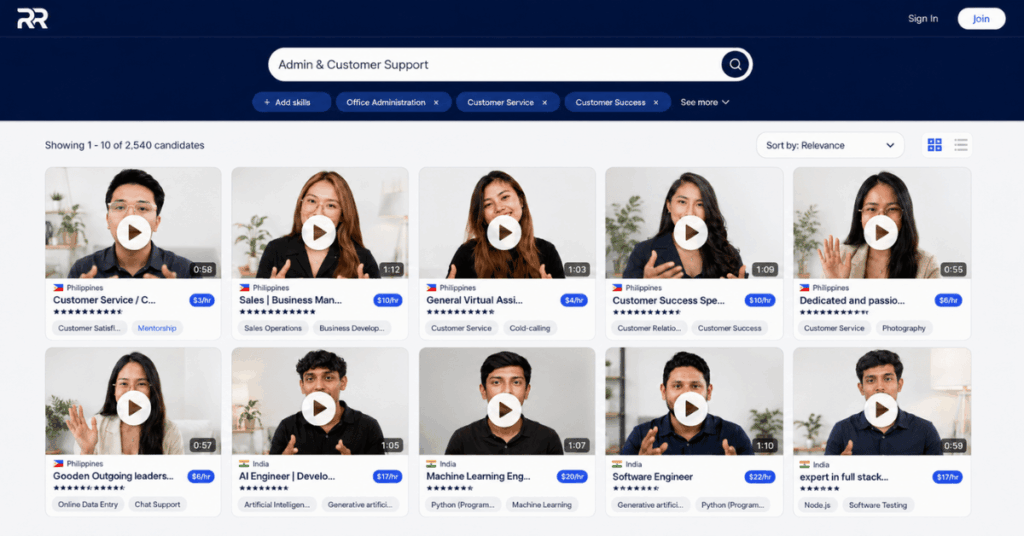
Remote Recruit is designed to help employers and job seekers succeed in the evolving world of global remote recruitment. The platform combines AI recruitment software with video-based hiring to create a more structured, transparent, and efficient hiring process. Employers can screen candidates faster, evaluate communication skills more effectively, and identify authentic talent with greater confidence. AI-driven workflows reduce manual screening effort while improving consistency across recruitment campaigns.
Remote Recruit also supports borderless hiring by enabling companies to connect with qualified talent across multiple countries and regions. Employers can scale their recruitment efforts while maintaining hiring quality and transparency. Video-based hiring features allow hiring teams to evaluate candidates beyond resumes and written applications.
For job seekers, Remote Recruit provides an opportunity to stand out through video profiles and structured talent presentation. Candidates can demonstrate communication, professionalism, and motivation in ways traditional resumes cannot capture. By combining technology with human-centered evaluation, Remote Recruit helps employers and professionals navigate the future of hiring successfully.
Conclusion
Global remote recruitment is no longer an emerging trend. It is becoming the foundation of modern hiring strategies. AI recruitment software, video-based hiring, and borderless talent acquisition are reshaping how businesses build teams and compete globally. Organizations that continue relying on outdated recruitment methods risk slower hiring, inconsistent evaluation, and missed opportunities in a highly competitive market.
The future of hiring will depend on speed, scalability, trust, and structured evaluation. Employers must adopt systems that allow them to identify real talent efficiently while maintaining fairness and transparency. Video-based hiring and AI-driven recruitment processes provide the visibility and consistency needed for successful remote hiring outcomes.
Platforms like Remote Recruit demonstrate how technology can improve hiring quality while making global recruitment more accessible and efficient for both employers and job seekers. As distributed work continues to grow, businesses that embrace modern recruitment frameworks will be better positioned to attract top talent, reduce hiring risk, and scale confidently in the global economy.
Frequently Asked Questions
What is global remote recruitment?
Global remote recruitment refers to hiring employees from different countries and regions for remote work opportunities.
Why is AI important in global remote recruitment?
AI helps automate screening, identify qualified candidates faster, and improve consistency in hiring decisions.
How does video-based hiring improve recruitment?
Video-based hiring allows employers to evaluate communication skills, professionalism, and authenticity beyond resumes.
What are the benefits of borderless talent acquisition?
Borderless hiring gives companies access to larger talent pools, specialized skills, and more flexible workforce strategies.
How does Remote Recruit support global hiring?
Remote Recruit combines AI recruitment software and video-based hiring to help employers identify, evaluate, and hire global talent efficiently.
Sign up on Remote Recruit today and transform the way you hire global talent with AI-powered and video-based recruitment solutions.