
Video Resumes are transforming modern recruitment by allowing employers to evaluate communication, personality, and authenticity before scheduling interviews.
Hiring practices have evolved significantly over the past decade. Traditional resumes once served as the primary method for evaluating candidates, but today they no longer provide enough information for recruiters to make confident hiring decisions. Modern organizations are seeking deeper insights into communication ability, personality, and cultural fit before investing time in interviews.
This shift has led to the rise of Video Resumes. Instead of relying solely on written documents, candidates can now introduce themselves through short video presentations. These videos allow employers to observe communication style, enthusiasm, professionalism, and confidence in ways that a traditional resume cannot capture.
Recruiters are also facing increasing challenges due to the volume of job applications they receive. Many job postings attract hundreds or even thousands of applicants. According to industry studies, recruiters often spend only a few seconds scanning each resume during the first stage of screening. This makes it difficult to identify the most promising candidates quickly.
Video Resumes provide a more efficient and informative approach to candidate evaluation. Employers can watch short introductions that provide real insight into a candidate’s abilities while job seekers gain an opportunity to showcase their personality and stand out from large applicant pools.
As modern hiring continues to evolve, Video Resumes are becoming a key tool for companies that want to hire smarter and faster.
1. Traditional Resumes Are Limited in What They Show
Traditional resumes have been used for decades, but they only communicate a small portion of a candidate’s professional identity. A resume typically lists education, work experience, certifications, and technical skills. While this information is useful, it does not provide insight into how a candidate communicates or interacts with others.
Employers today are increasingly looking for qualities that extend beyond written qualifications. Communication skills, confidence, and personality often determine whether someone succeeds in a role.
-
Resumes Only Show Written Information
A traditional resume focuses entirely on written content. Recruiters must rely on bullet points and brief descriptions of past roles to evaluate candidates. This format does not reveal how effectively someone explains ideas or interacts in a professional environment. Video Resumes allow candidates to speak directly to employers and demonstrate their communication style. This provides hiring managers with a clearer picture of the candidate’s potential performance in real workplace situations.
-
Soft Skills Are Hard to Evaluate
Soft skills such as leadership, teamwork, and emotional intelligence are critical in modern workplaces. However, these qualities are extremely difficult to assess through written resumes alone. Video Resumes allow recruiters to observe how candidates present themselves and express their ideas. Tone of voice, body language, and clarity of speech all contribute to understanding whether a candidate possesses strong interpersonal skills.
-
Resumes Often Look Similar
Many resumes follow similar templates and formats. Candidates frequently use professional resume builders or AI writing tools that produce polished but generic documents. As a result, recruiters may struggle to differentiate between applicants who appear equally qualified on paper. Video Resumes help candidates stand out by showcasing their personality and communication ability in ways that text documents cannot replicate.
2. Video Resumes Improve Candidate Evaluation
Video Resumes provide a more comprehensive way for employers to evaluate applicants during the early stages of recruitment. By watching a short video introduction, recruiters gain valuable insights that would otherwise require a full interview.
This allows companies to make better hiring decisions while saving time during the screening process.
-
Employers Can Evaluate Communication Skills
Strong communication skills are essential in many roles, including management, sales, customer support, and team collaboration. Video Resumes allow recruiters to observe how clearly candidates explain their experience and ideas. Employers can quickly determine whether a candidate communicates effectively and presents information confidently.
-
Recruiters Can Assess Personality
Personality plays a significant role in workplace success. Teams function best when employees collaborate effectively and contribute positively to the work environment. Video introductions help recruiters observe enthusiasm, attitude, and authenticity. This insight helps hiring managers evaluate whether a candidate aligns with company culture.
-
Hiring Managers Save Time
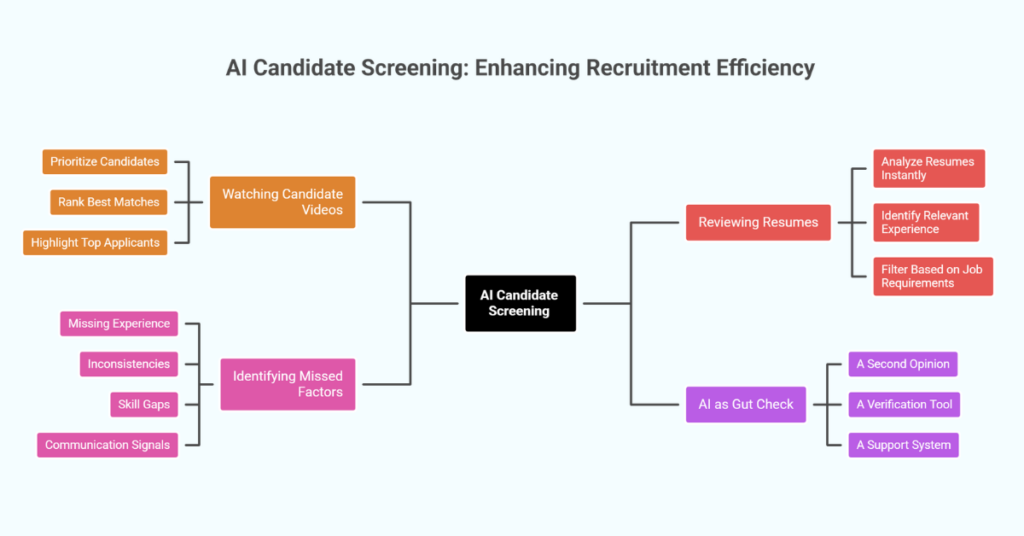
One of the biggest advantages of Video Resumes is efficiency. Instead of reading lengthy resumes for every applicant, recruiters can watch short video introductions that provide immediate insights. This allows hiring teams to identify promising candidates quickly and prioritize those who deserve further evaluation.
3. Video Resumes Reduce Low Effort Applications
Modern job platforms often allow candidates to apply to multiple roles within seconds. While this convenience benefits job seekers, it creates challenges for recruiters who must manage large volumes of applications.
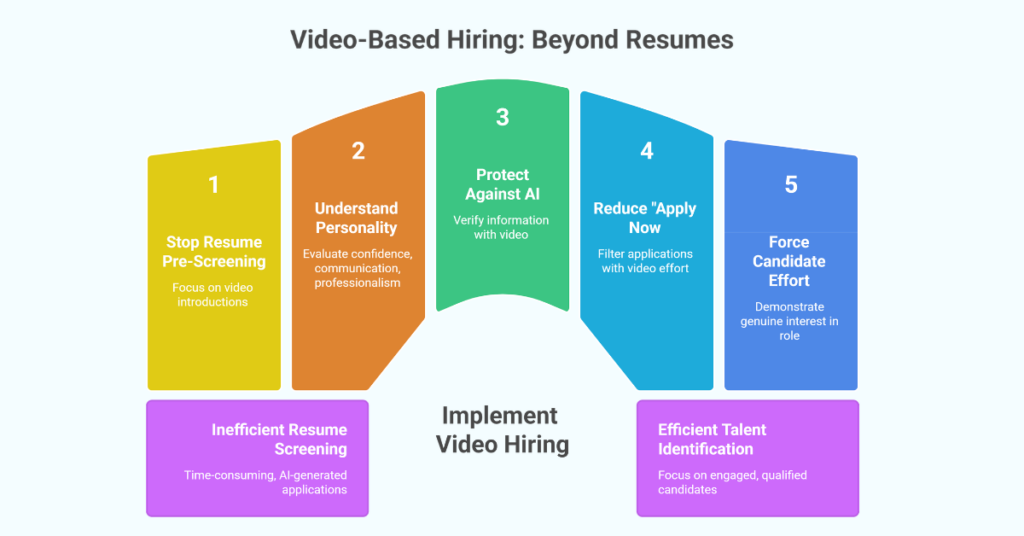
Video Resumes introduce a level of effort that encourages candidates to submit more thoughtful applications.
-
Candidates Must Prepare Their Presentation
Recording a Video Resume requires preparation and effort. Candidates must think carefully about how to present their experience, achievements, and career goals. This preparation often results in more meaningful applications compared to quick resume submissions.
-
Employers Receive More Serious Applicants
Candidates who take the time to create a Video Resume are typically more serious about the opportunity. This reduces the number of low effort applications that recruiters must review. Hiring managers can focus on applicants who demonstrate genuine interest in the role.
-
Applications Become More Authentic
Video Resumes make it more difficult for applicants to rely solely on automated tools to create their applications. While written resumes can easily be optimized using AI tools, video introductions reveal a candidate’s real communication ability. This authenticity helps employers make more informed hiring decisions.
4. Video Resumes Support Modern Hiring Methods
Recruitment is evolving as companies adopt new technologies and remote work models. Video Resumes align with modern hiring strategies that prioritize efficiency, transparency, and global talent access.
Organizations that adopt video based hiring methods gain several advantages.
-
Faster Screening Process
Video Resumes allow recruiters to evaluate candidates quickly during the early stages of hiring. Short video introductions provide a summary of experience, motivation, and communication style. Recruiters can identify promising candidates within minutes instead of reviewing long resumes.
-
Better Candidate Engagement
Video Resumes create a more interactive application process. Candidates can express enthusiasm and explain their goals directly to employers. This engagement helps create stronger connections between applicants and hiring managers.
-
Support for Global Recruitment
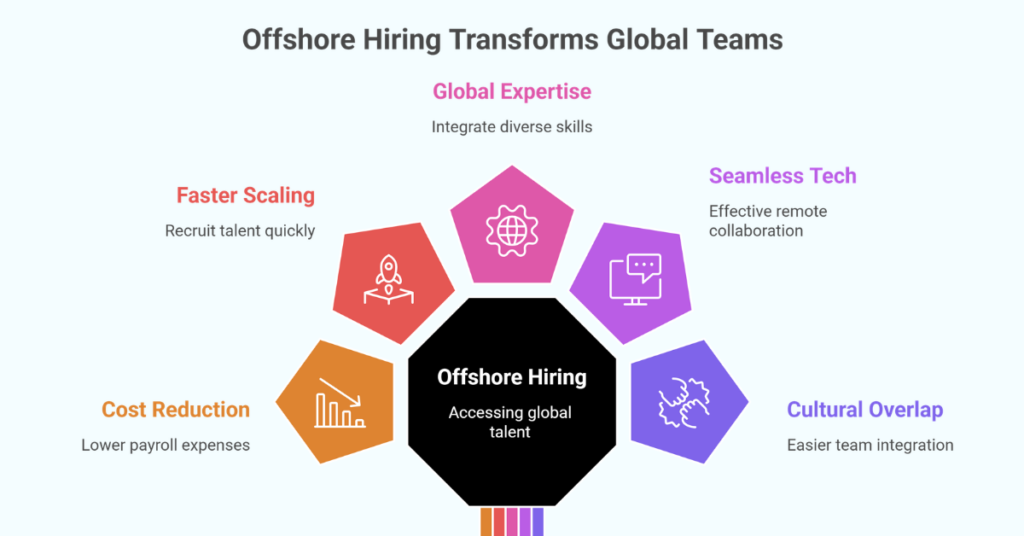
As companies increasingly hire remote employees, evaluating candidates across different regions becomes more important. Video Resumes allow employers to assess international applicants before scheduling interviews. This makes it easier to build distributed teams that operate across different countries and time zones.
Solutions Provided by Remote Recruit for Employers and Job Seekers
Remote Recruit provides a modern hiring platform that connects employers with talented professionals through video based job applications. The platform allows candidates to upload Video Resumes that highlight their experience, personality, and communication skills. This approach helps job seekers stand out beyond traditional text based resumes.
Employers benefit from a more efficient hiring process. Instead of reviewing hundreds of resumes, recruiters can watch short candidate videos and quickly identify individuals who communicate effectively and demonstrate strong potential. This reduces screening time and helps hiring teams focus on high quality candidates.
Remote Recruit also supports global hiring by enabling companies to discover talent from multiple regions. Video introductions allow employers to evaluate candidates from different countries before scheduling interviews. This helps organizations build diverse and capable teams while maintaining efficient recruitment workflows.
For job seekers, Video Resumes provide an opportunity to showcase strengths that might not appear in a traditional resume. Candidates can present their achievements, career goals, and enthusiasm in a format that allows employers to see their authentic personality.
Conclusion
The hiring landscape is evolving as organizations seek more effective ways to identify talent. Traditional resumes remain useful for documenting experience and qualifications, but they no longer provide enough insight for modern hiring decisions. Employers increasingly need to evaluate communication ability, personality, and cultural fit before investing time in interviews.
Video Resumes offer a powerful solution to this challenge. By allowing candidates to present themselves through video introductions, recruiters gain immediate insights into communication skills, confidence, and professional presence. This enables hiring teams to identify promising candidates faster and reduce the time spent reviewing low quality applications.
Video Resumes also encourage candidates to invest more effort into their applications. Preparing a video introduction requires thought, preparation, and genuine interest in the role. This helps employers receive applications from motivated candidates who are serious about the opportunity.
As remote work and global hiring continue to expand, Video Resumes will play an increasingly important role in recruitment. Companies that adopt video based hiring methods can improve candidate evaluation, streamline hiring processes, and build stronger teams.
Employers and job seekers looking to participate in modern hiring practices can benefit from platforms that support video based recruitment.
Frequently Asked Questions
What are Video Resumes?
Video Resumes are short video presentations where candidates introduce themselves, explain their experience, and highlight their skills. They allow employers to evaluate communication ability, personality, and professionalism before scheduling interviews.
Why are Video Resumes becoming popular?
Video Resumes are gaining popularity because they provide deeper insights into candidates than traditional resumes. Recruiters can observe communication skills, confidence, and enthusiasm, which helps them identify strong candidates faster.
How long should a Video Resume be?
Most Video Resumes are between one and three minutes long. This length allows candidates to present their experience and career goals clearly without overwhelming recruiters with lengthy presentations.
Do Video Resumes replace traditional resumes?
Video Resumes do not completely replace traditional resumes. Instead, they complement written resumes by providing additional insights into a candidate’s personality and communication ability.
Are Video Resumes useful for remote hiring?
Yes. Video Resumes are particularly useful for remote hiring because they allow employers to evaluate candidates from different locations before scheduling interviews. This makes it easier to build global teams and hire talent across borders.