Video-Based Hiring is transforming global recruitment by helping employers evaluate communication, authenticity, and real potential beyond traditional resumes.
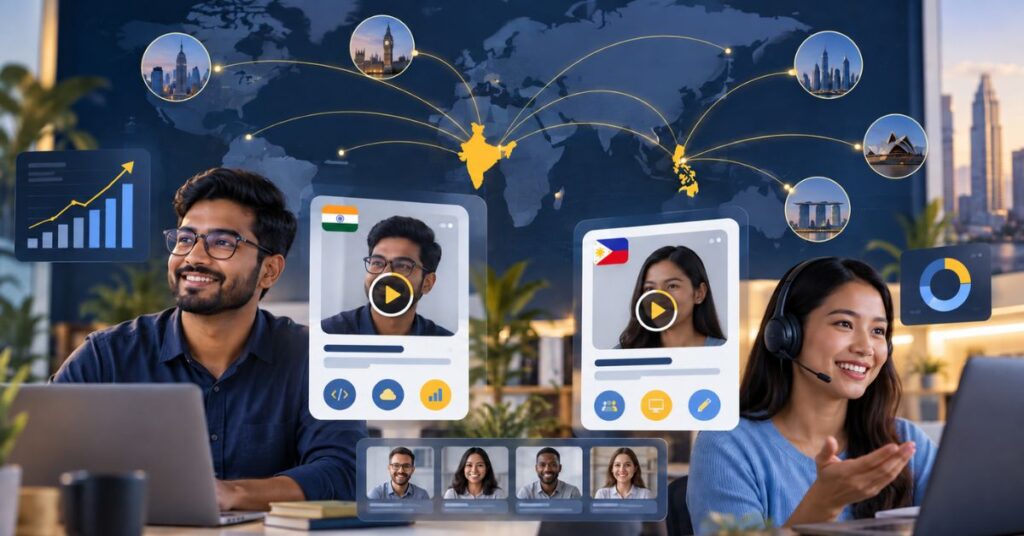
Global recruitment has evolved rapidly as companies increasingly build distributed teams across countries and time zones. Businesses now have access to larger talent pools than ever before, but evaluating candidates remotely remains one of the biggest challenges in modern hiring. Traditional resumes and written applications provide limited visibility into a candidate’s communication skills, professionalism, confidence, and personality. As remote hiring expands, employers are searching for more effective ways to identify authentic talent and reduce hiring risks. This is where Video-Based Hiring is transforming recruitment. Video-based evaluation allows hiring teams to go beyond static resumes and gain deeper insight into how candidates communicate and present themselves in real-world scenarios. Research shows that employers often make stronger and faster hiring decisions when they can assess communication and engagement earlier in the recruitment process. Video recruitment platforms are becoming essential tools for organizations seeking better hiring accuracy and stronger candidate evaluation. Combined with AI recruitment software and remote hiring workflows, Video-Based Hiring is helping businesses improve hiring quality while creating better experiences for both employers and job seekers.
1. Video-Based Hiring Goes Beyond Traditional Resumes
Traditional resumes only provide a limited snapshot of a candidate’s background and qualifications.
Employers hiring globally need more than lists of skills and work history. They need to understand how candidates communicate, think, and engage in professional environments. Video-Based Hiring allows recruiters to evaluate tone, confidence, communication clarity, and professionalism much earlier in the hiring process. This creates a more complete and human-centered evaluation experience. By moving beyond paper credentials, companies can make more informed hiring decisions and identify candidates who align better with remote work expectations.
2. Employers Can Evaluate Communication Skills Earlier
Strong communication is one of the most important qualities for successful remote employees.
Distributed teams rely heavily on digital communication across time zones and cultures. Candidates who communicate effectively are more likely to collaborate successfully and adapt to remote work environments. Video-Based Hiring helps employers evaluate communication ability before advancing candidates to later stages. Recruiters can assess how clearly candidates explain ideas, respond to questions, and present themselves professionally. This improves hiring accuracy and reduces the risk of communication-related performance issues after onboarding.
3. Video Helps Identify Authentic and Engaged Candidates
One of the biggest challenges in remote recruitment is verifying authenticity and identifying candidates who are genuinely interested in the opportunity.
Written applications can be heavily optimized using AI tools or copied templates, making it difficult to differentiate candidates. Video-Based Hiring creates a more authentic interaction by allowing employers to evaluate real communication and engagement. Candidates who invest time in creating thoughtful video responses often demonstrate stronger motivation and professionalism. This additional layer of evaluation helps recruiters identify candidates who are serious about the role and committed to the hiring process.
4. Global Talent Evaluation Becomes More Consistent
Global recruitment often involves evaluating candidates from different countries, communication styles, and professional backgrounds.
Without structured systems, hiring decisions may become inconsistent across recruiters or regions. Video-Based Hiring helps standardize evaluation by giving employers a consistent way to assess communication, professionalism, and presentation skills. Recruiters can compare candidates more fairly and objectively through recorded responses and structured interview workflows. This improves transparency and creates stronger hiring consistency across global recruitment operations.
5. Video-Based Hiring Improves Hiring Speed and Efficiency
Hiring globally often creates delays due to scheduling challenges, time zone differences, and lengthy screening processes.
Video-Based Hiring allows candidates to complete asynchronous interviews at convenient times, reducing coordination complexity. Employers can review candidate responses more efficiently without needing to schedule live meetings immediately. This accelerates screening timelines and improves recruiter productivity. Faster hiring processes also improve candidate experience and reduce the risk of losing top talent to competing employers. Companies that improve hiring speed often gain a significant competitive advantage in global talent recruitment.
6. AI and Video Create a Smarter Recruitment Process
The combination of AI recruitment software and Video-Based Hiring is transforming how organizations evaluate talent at scale.
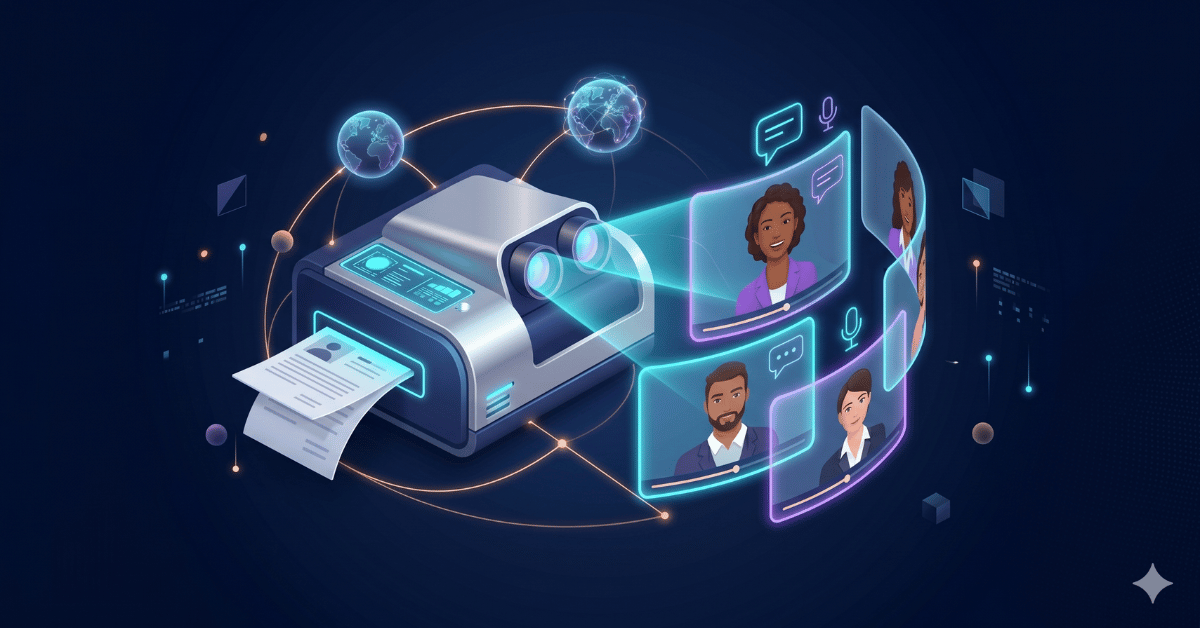
AI helps automate screening workflows, prioritize qualified candidates, and reduce repetitive administrative tasks. Video-based evaluation adds a human layer that improves authenticity and communication assessment. Together, these technologies create a smarter recruitment framework that balances efficiency with deeper candidate insight. Employers can manage larger candidate volumes while maintaining evaluation quality and consistency. This technology-driven approach is becoming increasingly important as global hiring continues to expand.
How Remote Recruit Uses Video-Based Hiring to Improve Global Recruitment
Remote Recruit is designed to help employers and job seekers succeed in modern global recruitment through Video-Based Hiring and AI-powered evaluation tools. The platform enables employers to assess communication skills, professionalism, and candidate authenticity beyond resumes alone. Structured video profiles and asynchronous interview capabilities help hiring teams evaluate global talent more effectively and consistently.
Remote Recruit also improves hiring efficiency by streamlining screening workflows and reducing scheduling complexity. AI recruitment software helps employers prioritize qualified candidates while video-based evaluation adds a more human and transparent layer to recruitment. This combination supports faster and more accurate hiring decisions.
For job seekers, Remote Recruit creates opportunities to stand out in competitive remote hiring environments. Candidates can showcase communication ability, confidence, and personality through video responses rather than relying only on written applications. This gives professionals a stronger platform to demonstrate their value to employers worldwide. By combining AI and Video-Based Hiring, Remote Recruit helps companies and candidates build stronger hiring connections in the evolving remote work economy.
Conclusion
Video-Based Hiring is becoming one of the most important innovations in modern recruitment because it addresses many of the limitations associated with traditional hiring systems. Employers hiring globally need better ways to evaluate communication, professionalism, authenticity, and engagement in remote candidates. Resumes alone no longer provide enough visibility into candidate suitability for distributed work environments.
By incorporating video into recruitment workflows, organizations gain deeper insight into candidate potential while improving hiring consistency and speed. Video-Based Hiring also strengthens the candidate experience by allowing professionals to present themselves beyond static credentials. Combined with AI recruitment software, video evaluation creates a more balanced and effective hiring framework for global recruitment.
As remote work continues to reshape the workforce, companies that adopt Video-Based Hiring will be better positioned to attract stronger talent, reduce hiring risk, and scale distributed teams successfully. Platforms like Remote Recruit demonstrate how combining technology with human-centered evaluation can improve recruitment outcomes for both employers and job seekers. The future of global hiring will depend on smarter, more authentic, and more efficient ways of evaluating talent.
Frequently Asked Questions
What is Video-Based Hiring?
Video-Based Hiring is a recruitment approach that uses video profiles or video interviews to evaluate candidates during the hiring process.
Why is Video-Based Hiring important in global recruitment?
It helps employers assess communication skills, professionalism, and authenticity when hiring remote candidates across different regions.
How does Video-Based Hiring improve hiring accuracy?
Video allows recruiters to evaluate candidates beyond resumes and identify stronger communication and engagement qualities.
Can Video-Based Hiring reduce recruitment delays?
Yes. Asynchronous video interviews reduce scheduling complexity and speed up candidate evaluation.
How does Remote Recruit support Video-Based Hiring?
Remote Recruit combines video-based evaluation with AI recruitment software to help employers identify and hire global talent more effectively.
Sign up on Remote Recruit today and transform your hiring process with AI-powered and Video-Based Hiring solutions designed for modern global recruitment.