Video-based Recruitment is transforming how employers identify real talent by revealing communication, intent, and authenticity faster than resumes ever could. Remote Recruit helps employers move beyond paper credentials to hire with confidence.
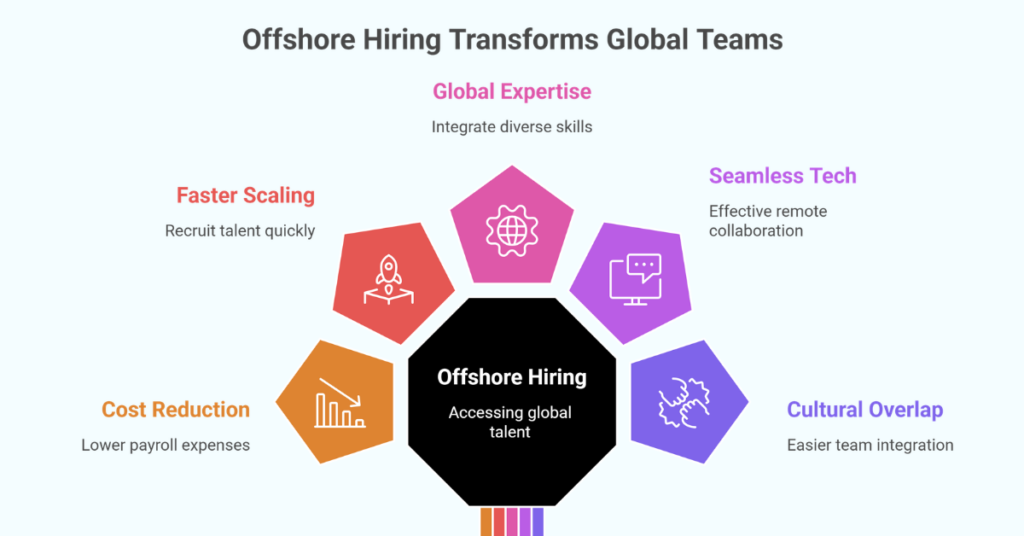
Hiring has changed dramatically over the past few years, especially as remote and offshore work have become standard rather than exceptions. Employers are no longer competing for talent within a single city or country. They are evaluating candidates from across the world, often without ever meeting them in person. This shift has exposed a major flaw in traditional hiring processes. Resumes and written applications do not provide enough insight into how someone communicates, thinks, or fits into a team. At the same time, AI tools have made it easier than ever to create polished resumes and cover letters that may not reflect real ability. Video-based recruitment addresses this gap by allowing employers to see and hear candidates early in the hiring process. It brings clarity, speed, and confidence to hiring decisions by focusing on human signals that text alone cannot capture. For employers hiring remotely or offshore, video-based recruitment has become one of the most effective ways to identify genuine talent faster while reducing costly hiring mistakes.
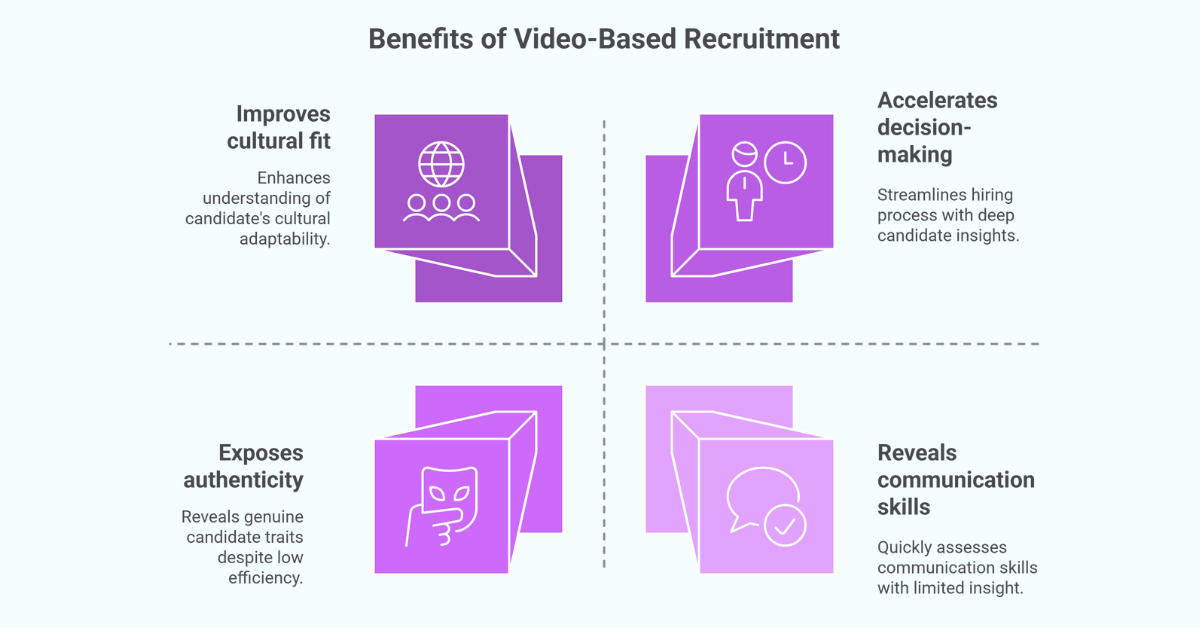
1. Video Reveals Communication Skills Immediately
Strong communication is one of the most critical skills for remote and offshore roles. Video-based recruitment allows employers to assess this skill instantly instead of guessing based on written content.
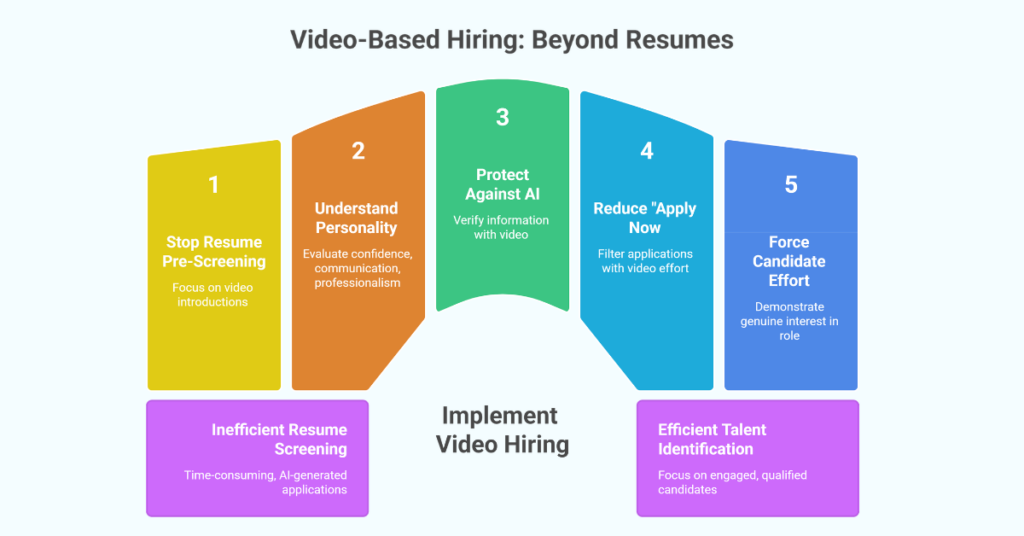
Written resumes often fail to show how clearly a candidate can explain ideas, respond to questions, or adapt their communication style. Video submissions make it possible to evaluate clarity, confidence, tone, and structure in real time. Employers can quickly identify whether a candidate can articulate thoughts independently or struggles without scripted responses. This is especially important for client-facing roles or positions that require collaboration across time zones. By using video-based recruitment early, employers reduce the time spent interviewing candidates who may look good on paper but cannot communicate effectively in real work scenarios.
2. Video Exposes Authenticity and Effort
One of the strongest signals of genuine interest in a role is effort. Video-based recruitment highlights this in a way resumes cannot.
Recording a video requires preparation, confidence, and intentional participation. Candidates who take the time to submit thoughtful video responses demonstrate motivation and seriousness about the opportunity. Employers can also detect authenticity through natural speech patterns, body language, and emotional cues that are difficult to fake consistently. While AI tools can generate text instantly, presenting oneself clearly on video requires real engagement. This helps employers filter out low-effort applicants and focus on candidates who are more likely to be committed, reliable, and aligned with the role.
3. Video Helps Bypass Resume Inflation and AI Misuse
Resume inflation and AI-generated applications have become a growing challenge in modern hiring. Video-based recruitment helps employers cut through this noise.
Many candidates now use AI tools to enhance resumes, cover letters, and even interview answers. While this is not always negative, it makes it harder to distinguish real skill from automated content. Video allows employers to compare what a candidate claims with how they actually speak about their experience. Inconsistencies between resumes and video responses become easier to spot. Employers gain a more accurate understanding of a candidate’s background, depth of knowledge, and honesty. This reduces the risk of hiring individuals who look qualified on paper but lack practical competence.
4. Video Improves Cultural Fit in Remote and Global Teams
Cultural fit is one of the hardest aspects of hiring remotely. Video-based recruitment provides valuable context that text cannot deliver.
When hiring across countries and cultures, employers need to understand how candidates think, react, and interact. Video helps reveal personality traits such as adaptability, openness, and professionalism. Employers can observe how candidates respond to situational questions and how comfortable they are communicating in a remote setting. This insight is critical for building cohesive teams where trust and collaboration matter more than physical presence. Video-based recruitment reduces misunderstandings that often occur when hiring solely based on resumes, especially in global hiring scenarios.
5. Video Accelerates Decision-Making and Time to Hire
Speed matters in hiring, particularly in competitive global talent markets. Video-based recruitment helps employers move faster without sacrificing quality.
Instead of scheduling multiple early-stage interviews, employers can review video responses on their own time. This allows hiring teams to shortlist qualified candidates more efficiently and align internally before live interviews take place. Video also reduces back-and-forth communication during initial screening stages. By identifying strong candidates earlier, employers shorten hiring cycles and avoid losing top talent to faster-moving competitors. Video-based recruitment creates a more streamlined process that benefits both employers and candidates.
How Remote Recruit Supports Video-Based Recruitment
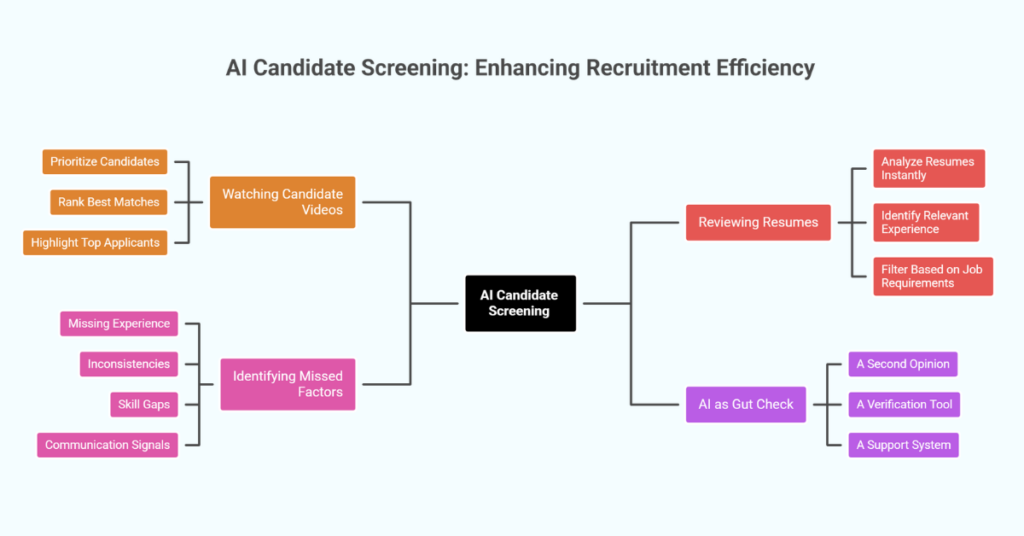
Remote Recruit is built to help employers and job seekers succeed in a global, remote-first hiring environment. For employers, the platform combines video-based recruitment with intelligent candidate screening to surface real talent faster. Employers can review verified video profiles to assess communication, motivation, and cultural alignment before committing to interviews. This reduces hiring risk and saves time by focusing attention on candidates who are genuinely qualified.
For job seekers, Remote Recruit provides an opportunity to stand out beyond resumes. Candidates can present their skills, experience, and personality through structured video introductions that showcase who they are, not just what they have written. This is especially valuable for professionals in offshore or emerging markets who may be overlooked in traditional resume-based hiring.
Remote Recruit also emphasizes trust and transparency. Candidate profiles are verified, and employers are vetted to ensure legitimate opportunities. By combining video-based recruitment with AI-driven matching and human oversight, Remote Recruit creates a balanced hiring experience that benefits both sides of the market.
Conclusion
Video-based recruitment has become one of the most effective tools for identifying real talent in a remote and global hiring landscape. It addresses the limitations of resumes, reduces the impact of AI misuse, and provides employers with deeper insight into communication, effort, and authenticity. As hiring continues to shift away from offices and toward distributed teams, the ability to evaluate candidates beyond text will only become more important.
Employers who rely solely on traditional hiring methods risk slower processes and poorer hiring outcomes. Video-based recruitment enables faster, more informed decisions while improving cultural fit and reducing hiring mistakes. For job seekers, it creates a fairer opportunity to be seen and heard. Platforms like Remote Recruit are helping organizations and professionals adapt to this new reality by making video-based recruitment accessible, secure, and scalable. The future of hiring is not just digital. It is human, visual, and built on real connection.
Frequently Asked Questions
What is video-based recruitment?
Video-based recruitment is a hiring approach where candidates submit video responses or profiles as part of the application process. It allows employers to assess communication skills, personality, and authenticity early in hiring.
Why is video-based recruitment better than resumes alone?
Resumes are static and can be exaggerated or generated using AI tools. Video-based recruitment shows how candidates actually communicate and think, making it easier to identify real talent.
Is video-based recruitment suitable for offshore hiring?
Yes. Video-based recruitment is especially effective for offshore and global hiring because it helps employers evaluate candidates across cultures and time zones without in-person interviews.
Does video-based recruitment reduce hiring bias?
When used correctly, video-based recruitment can reduce bias by focusing on communication and role-relevant skills instead of background or location. Structured video questions further improve fairness.
How does Remote Recruit support video-based recruitment?
Remote Recruit provides verified video profiles, AI-powered candidate matching, and employer vetting to ensure secure, efficient, and authentic video-based recruitment.