Offshore Hiring has become a growth engine for modern companies, but success depends on using the right strategies, systems, and screening methods from day one. Remote Recruit helps employers hire offshore talent with clarity, confidence, and control.
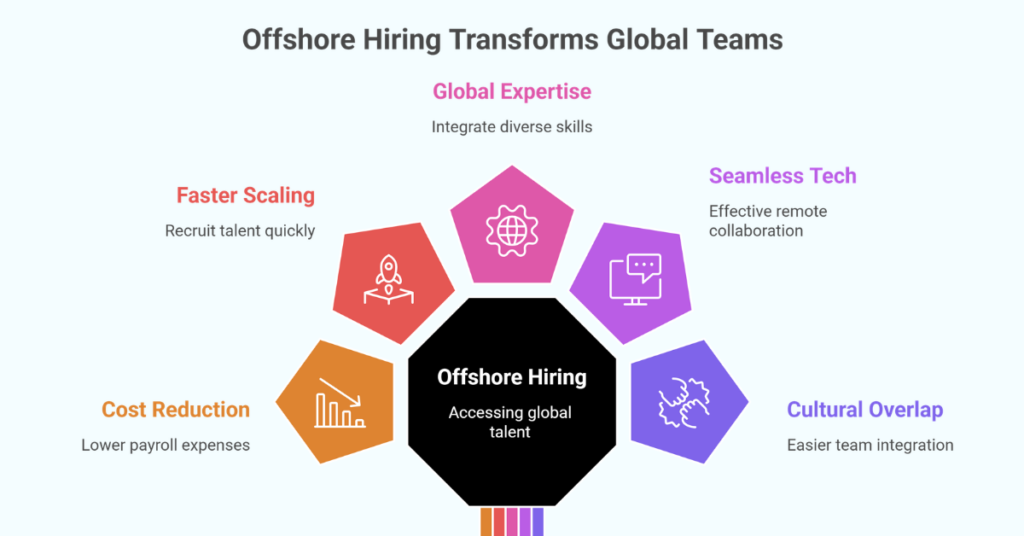
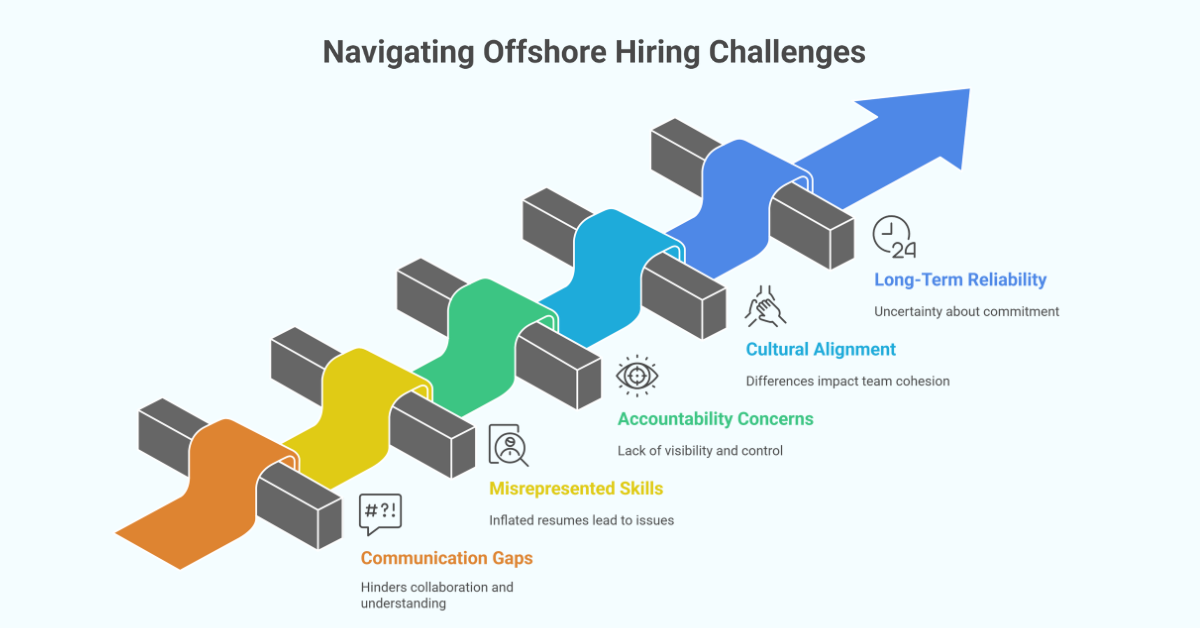
Offshore Hiring is no longer just a cost-saving tactic reserved for large enterprises. Companies of all sizes are using offshore teams to scale faster, access specialized skills, and stay competitive in a global market. At the same time, offshore hiring introduces real challenges. Employers often worry about communication gaps, misrepresented skills, accountability, cultural alignment, and long-term reliability. These concerns are valid, especially when teams are distributed across countries and time zones.
Research consistently shows that poor hiring decisions are among the most expensive mistakes businesses make, leading to lost productivity, rehiring costs, and stalled growth. The difference between successful offshore hiring and failure is rarely about geography. It comes down to process. Employers who succeed with offshore hiring use structured strategies that prioritize clarity, verification, communication, and trust. Offshore Hiring works best when it is approached as a long-term investment supported by the right tools and systems. The strategies below are proven approaches used by employers who consistently build reliable and high-performing offshore teams.
1. Define Roles, Responsibilities, and Outcomes Clearly
Clear expectations are the foundation of successful Offshore Hiring. Ambiguity creates misunderstandings that grow larger when teams are remote and distributed.
When employers clearly define responsibilities, deliverables, performance metrics, and communication expectations, offshore employees know exactly what success looks like. This clarity improves onboarding speed and reduces early friction. Vague job descriptions often attract candidates who are not aligned with real needs, leading to performance gaps. Clear role definitions also help candidates self-select more accurately during the hiring process. Employers who invest time upfront in clarity experience stronger accountability, faster ramp-up, and lower turnover in offshore teams.
2. Screen Communication Skills Before Technical Skills
Communication is one of the strongest predictors of offshore hiring success. Many offshore roles fail not because of lack of technical ability, but because of communication breakdowns.
Employers who prioritize communication screening early reduce long-term risk significantly. This includes evaluating clarity of speech, responsiveness, ability to explain ideas, and comfort with professional dialogue. Strong communicators adapt better to feedback, collaboration, and cross-functional work. Technical skills can often be improved with training, but communication habits are harder to change later. By screening communication first, employers build offshore teams that collaborate effectively and operate smoothly in remote environments.
3. Use Video to Validate Candidate Authenticity
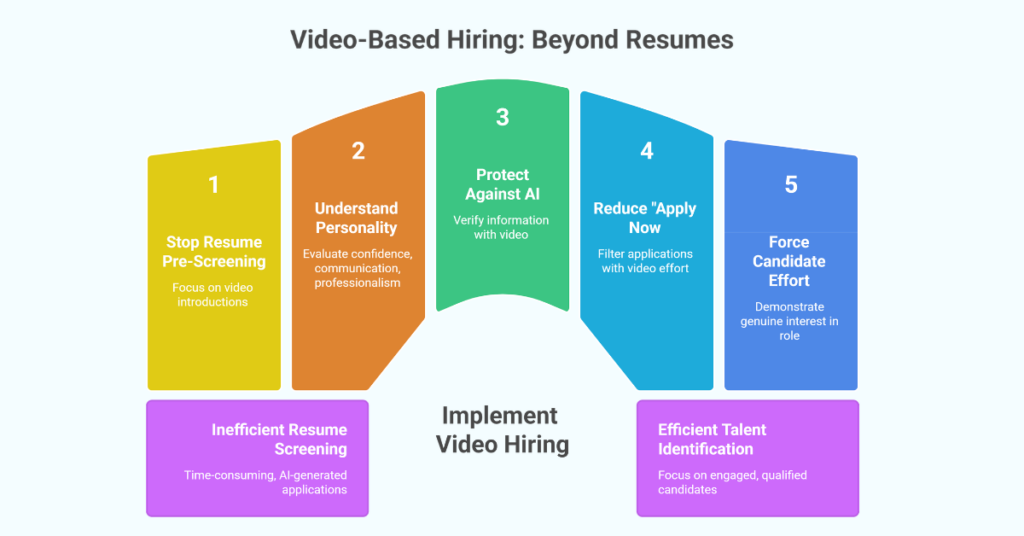
One of the biggest risks in Offshore Hiring is misrepresentation. Resumes alone cannot confirm whether the person applying is the person who will do the work.
Video-based evaluation allows employers to see and hear candidates explain their experience in their own words. This makes it easier to detect inconsistencies between written claims and actual understanding. Video also discourages proxy interviews and low-effort applications. Employers gain early confidence that they are hiring the right individual, not just a polished resume. This step significantly reduces trust issues and improves hiring accuracy.
4. Apply Consistent Screening Criteria Across All Regions
Bias and inconsistency can quietly undermine offshore hiring decisions when candidates are evaluated differently based on geography or assumptions.
Employers who succeed with Offshore Hiring apply standardized screening criteria across all regions. This includes consistent evaluation of skills, communication, experience, and role alignment. Standardization improves fairness and makes hiring decisions easier to justify internally. It also allows hiring teams to compare candidates objectively using the same benchmarks. Consistent screening ensures the best candidate is selected based on merit rather than location.
5. Start With Measured Commitments and Clear Milestones
Confidence in offshore hiring grows when risk is managed progressively rather than all at once. Employers who succeed often start with structured trial phases.
Short-term projects, probation periods, or milestone-based engagements allow both sides to validate fit before long-term commitments. Employers gain insight into reliability, work quality, and collaboration style. Offshore employees benefit from clear goals and feedback. This approach reduces pressure and builds trust organically. Measured commitments lead to stronger long-term relationships and higher retention.
6. Build Accountability Into Systems and Processes
A common concern in Offshore Hiring is lack of visibility and control. Modern systems make accountability easier and more transparent than ever.
Project management tools, communication platforms, and performance dashboards provide real-time insight into progress and outcomes. Employers can track deliverables without micromanaging. Clear workflows and documented processes improve autonomy while maintaining accountability. Secure access controls help protect sensitive data. When accountability is built into systems rather than supervision, offshore teams perform with confidence and independence.
7. Use Platforms Designed Specifically for Offshore Hiring
General job boards are not built for Offshore Hiring and often lack verification, structure, and trust mechanisms.
Platforms designed for offshore and remote hiring provide candidate verification, structured screening, and transparent workflows. Employers benefit from reduced exposure to fraud and misrepresentation. These platforms also streamline communication, evaluation, and onboarding. Choosing the right platform significantly increases hiring confidence and efficiency. Employers who use purpose-built offshore hiring platforms make fewer mistakes and scale global teams faster.
How Remote Recruit Supports Offshore Hiring for Employers and Job Seekers
Remote Recruit is built to help employers succeed with Offshore Hiring by combining structured screening, video-based evaluation, and intelligent matching. For employers, the platform verifies candidate profiles and highlights communication ability, authenticity, and role fit before interviews begin. This reduces uncertainty and ensures hiring teams focus on candidates with real potential.
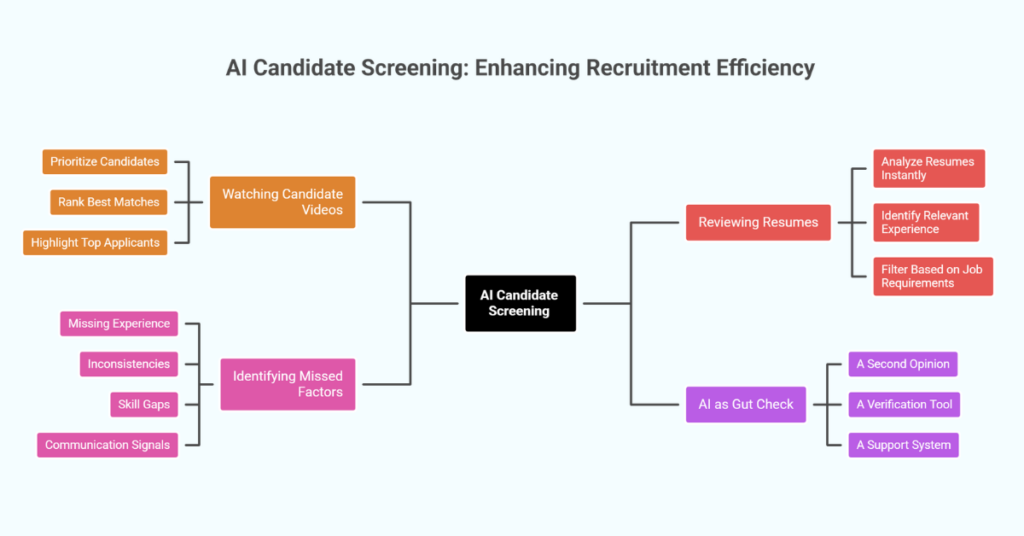
Remote Recruit applies consistent evaluation across global candidate pools using AI-assisted screening while maintaining human oversight. Video profiles allow employers to validate identity and communication early in the process. Employers gain speed, transparency, and confidence throughout offshore hiring.
For job seekers, Remote Recruit creates a fair and trusted pathway to offshore opportunities. Candidates are evaluated on skills, communication, and effort rather than geography. Video introductions allow professionals to present themselves authentically and stand out beyond resumes. By verifying both employers and candidates, Remote Recruit builds trust on both sides and supports long-term hiring success.
Conclusion
Offshore Hiring can be a powerful growth strategy when executed with the right approach. Employers who succeed do not rely on shortcuts or assumptions. They define expectations clearly, prioritize communication, validate authenticity, and apply consistent screening practices. They manage risk through measured commitments and invest in systems that support accountability and transparency.
As global hiring continues to expand, companies that fail to adapt their hiring processes will face higher turnover, slower productivity, and increased risk. Offshore Hiring works best when supported by proven strategies and purpose-built platforms. Remote Recruit enables employers to implement these strategies with confidence, helping them build reliable offshore teams that deliver long-term value. When done right, offshore hiring is not just about reducing costs. It is about unlocking global talent and building resilient, high-performing organizations.
Frequently Asked Questions
What is offshore hiring?
Offshore Hiring refers to employing professionals located in other countries who work remotely as part of a company’s workforce.
Why do employers choose offshore hiring?
Employers use offshore hiring to access global talent, scale faster, reduce costs, and fill skill gaps that may not exist locally.
What are the biggest risks in offshore hiring?
Common risks include misrepresented skills, communication gaps, cultural misalignment, and lack of accountability, all of which can be reduced with proper screening and systems.
How can employers succeed with offshore hiring?
Employers succeed by using clear role definitions, communication screening, video validation, standardized evaluation, and platforms built for offshore hiring.
How does Remote Recruit support offshore hiring?
Remote Recruit provides verified candidates, video-based evaluation, AI-assisted screening, and employer validation to make offshore hiring secure and effective.