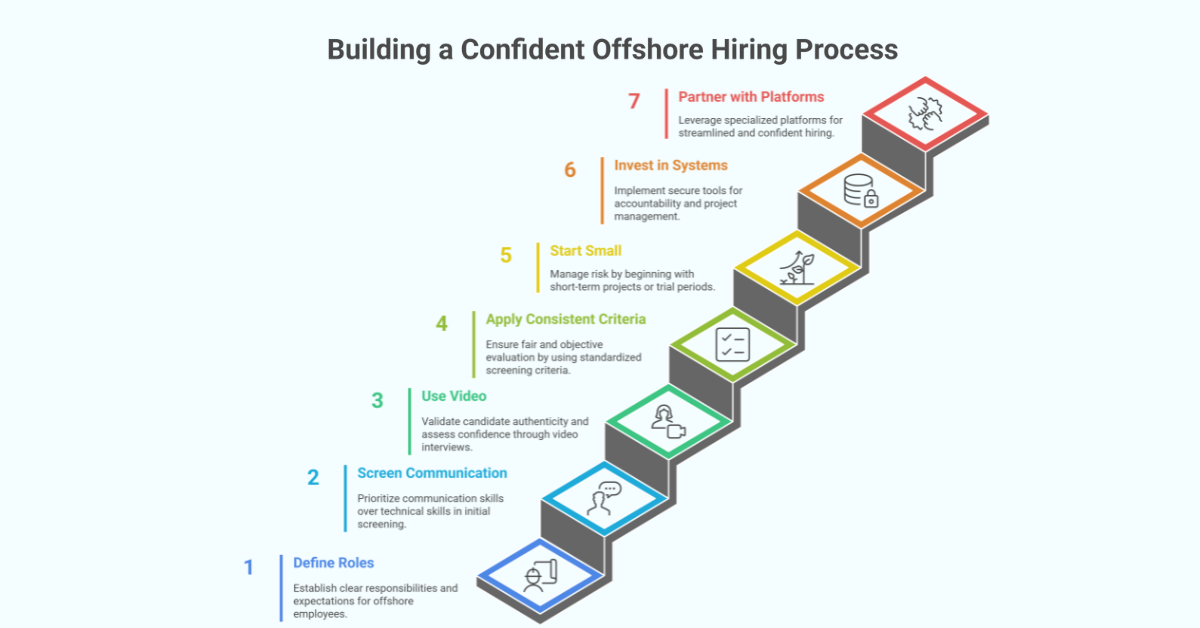
Offshore Employee Hiring becomes predictable and secure when employers follow proven strategies that reduce risk, improve trust, and unlock global talent. Remote Recruit helps companies hire offshore with confidence at every stage.
Offshore Employee Hiring has shifted from a cost-saving tactic to a core growth strategy for modern businesses. Companies are no longer limited by geography when building teams, and many are hiring offshore to access specialized skills, scale faster, and remain competitive in global markets. However, offshore hiring also introduces unique challenges. Employers often worry about misrepresented skills, communication gaps, accountability, cultural alignment, and long-term reliability. These concerns are valid, especially when hiring people they may never meet in person.
According to global workforce research, early-stage hiring mistakes are one of the leading causes of offshore attrition and productivity loss. The difference between success and failure often comes down to process. Employers who hire offshore with confidence do not rely on shortcuts or assumptions. They apply structured strategies that combine technology, verification, and human judgment. Offshore Employee Hiring works best when companies focus on transparency, communication, and fit rather than just cost. The strategies below are proven approaches that successful employers use to build reliable offshore teams while minimizing risk and maximizing long-term performance.
1. Define Roles and Expectations with Absolute Clarity
Clear role definition is the foundation of successful Offshore Employee Hiring. Ambiguity creates misunderstandings that are amplified across borders and time zones.
When employers clearly outline responsibilities, deliverables, communication expectations, and performance metrics, offshore employees know exactly what success looks like. This reduces confusion during onboarding and sets the tone for accountability from day one. Vague job descriptions often attract mismatched candidates who may struggle to meet expectations. Clear documentation also helps hiring teams evaluate candidates more accurately during the recruitment process. Employers who invest time upfront in defining roles experience stronger performance, faster ramp-up, and lower turnover in offshore teams.
2. Screen for Communication Skills Before Technical Skills
Communication is one of the most critical success factors in offshore roles. Many offshore hiring failures occur not because of lack of skill, but because of poor communication.
Employers who hire offshore with confidence prioritize communication screening early in the process. This includes evaluating clarity of expression, responsiveness, and comfort with professional dialogue. Strong communicators adapt better to remote collaboration, feedback, and cross-functional work. Technical skills can often be trained or refined, but communication gaps are harder to fix later. By screening communication early, employers reduce friction, improve collaboration, and build trust within distributed teams.
3. Use Video to Validate Candidate Authenticity
One of the biggest risks in Offshore Employee Hiring is misrepresentation. Resumes alone cannot confirm whether the person applying is the person who will do the work.
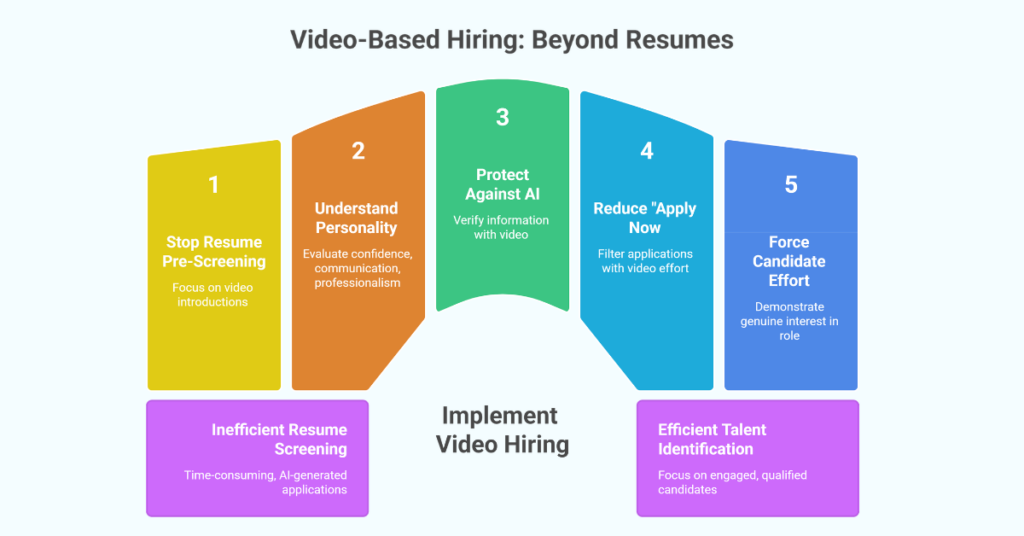
Video-based evaluation allows employers to verify identity, assess confidence, and validate experience directly. Candidates explaining their background in their own words provide insight that written applications cannot offer. Video also discourages proxy interviews and low-effort applications. Employers who incorporate video into offshore hiring gain a stronger sense of who they are hiring before contracts are signed. This added visibility significantly reduces the risk of mismatched hires and trust issues.
4. Apply Consistent Screening Criteria Across Regions
Bias and inconsistency can quietly undermine offshore hiring decisions. When candidates are evaluated differently based on location or assumptions, employers risk overlooking strong talent or making poor choices.
Successful Offshore Employee Hiring relies on standardized screening criteria. Employers apply the same evaluation framework across all candidates, regardless of geography. This includes consistent assessment of skills, communication, experience, and role alignment. Standardization improves fairness and makes hiring decisions easier to justify internally. It also helps employers compare candidates objectively and select the best fit based on evidence rather than intuition.
5. Start with Smaller Commitments and Clear Milestones
Confidence in offshore hiring grows when risk is managed progressively. Employers who succeed often start with structured trial periods or clearly defined milestones.
Short-term projects, probationary phases, or milestone-based evaluations allow both sides to validate fit before long-term commitments. This approach reduces pressure and creates space for feedback and adjustment. Employers gain insight into work quality, reliability, and collaboration style. Offshore employees also benefit from clear expectations and measurable goals. Starting small builds confidence and trust, leading to stronger long-term working relationships.
6. Invest in Secure Systems and Accountability Tools
Accountability concerns are common in Offshore Employee Hiring, especially for employers transitioning from office-based teams. Modern tools make accountability easier than ever.
Project management platforms, communication tools, and performance tracking systems provide visibility into work progress without micromanagement. Employers can monitor deliverables, timelines, and outcomes clearly. Secure access controls and data protection systems help safeguard sensitive information. When accountability is built into systems rather than enforced manually, offshore teams operate with greater autonomy and trust. This creates a healthier and more productive working environment.
7. Partner with Platforms Built for Offshore Hiring
The final strategy employers use to hire offshore with confidence is choosing the right hiring platform. General job boards are often not designed for offshore recruitment.
Platforms built specifically for offshore and remote hiring provide verification, screening, and transparency. Employers benefit from pre-vetted candidates, structured workflows, and reduced exposure to fraud or misrepresentation. These platforms also help streamline compliance, communication, and onboarding. By partnering with offshore hiring platforms, employers gain confidence and efficiency throughout the hiring journey.
How Remote Recruit Supports Offshore Employee Hiring
Remote Recruit is designed to help employers hire offshore talent with confidence by combining structured screening, video-based evaluation, and intelligent matching. For employers, the platform verifies candidate profiles, evaluates communication skills, and highlights cultural alignment before interviews begin. This reduces uncertainty and ensures hiring teams focus on candidates who demonstrate real potential.
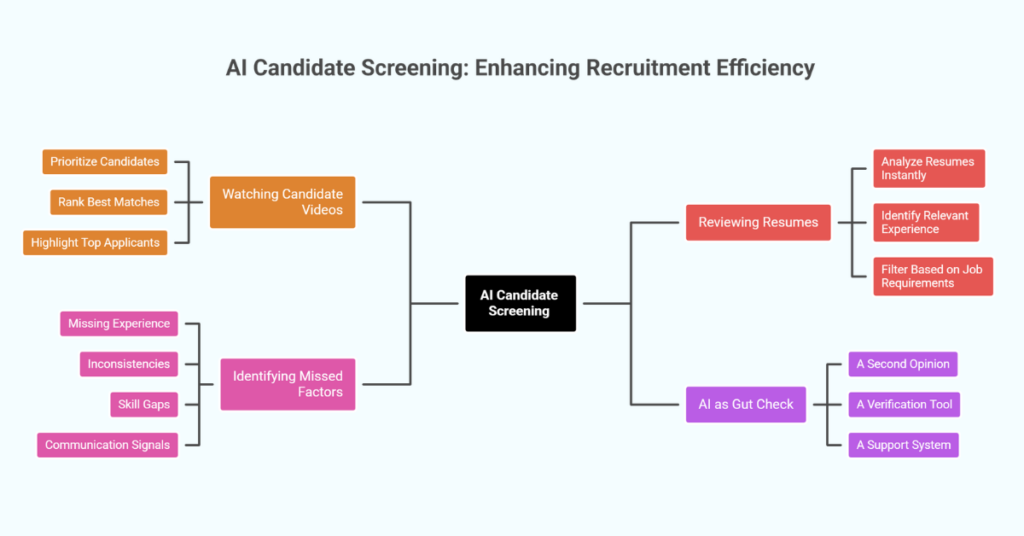
Remote Recruit also integrates AI-driven screening to apply consistent evaluation across global candidate pools. Employers can scale offshore hiring without sacrificing accuracy or fairness. Video profiles allow employers to validate authenticity while gaining deeper insight into candidate motivation and professionalism.
For job seekers, Remote Recruit creates a fair and transparent pathway to offshore opportunities. Candidates are evaluated based on skills, communication, and effort rather than geography. Video introductions allow professionals to present themselves authentically and stand out beyond resumes. By verifying employers and candidates, Remote Recruit builds trust on both sides, making Offshore Employee Hiring safer, faster, and more effective.
Conclusion
Offshore Employee Hiring can be a powerful growth lever when approached with the right strategies. Employers who hire offshore with confidence do not rely on shortcuts or assumptions. They define expectations clearly, prioritize communication, validate authenticity, and apply consistent screening processes. They manage risk through structured commitments and invest in systems that support accountability and security.
As global hiring continues to expand, companies that fail to adapt their hiring approach will face higher turnover, slower productivity, and increased risk. Offshore Employee Hiring works best when supported by purpose-built platforms and proven processes. Remote Recruit enables employers to adopt these strategies with confidence, helping them build reliable global teams that deliver long-term value. When done right, offshore hiring is not just about saving costs. It is about unlocking global potential and building stronger, more resilient organizations.
Frequently Asked Questions
What is offshore employee hiring?
Offshore Employee Hiring refers to employing professionals located in other countries to work remotely as part of a company’s workforce.
Why do employers choose offshore employee hiring?
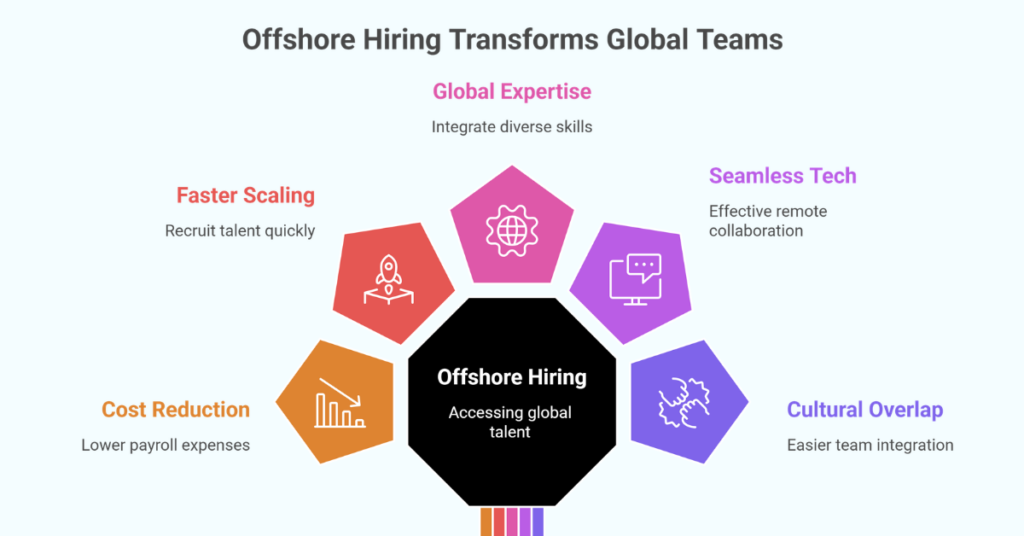
Employers use offshore hiring to access global talent, scale faster, reduce costs, and fill skill gaps that may not be available locally.
What are the biggest risks in offshore employee hiring?
Common risks include misrepresented skills, communication gaps, cultural misalignment, and lack of accountability, all of which can be managed with proper screening and systems.
How can employers hire offshore talent with confidence?
Employers build confidence by using structured screening, video validation, clear expectations, and platforms designed for offshore hiring.
How does Remote Recruit support offshore employee hiring?
Remote Recruit provides verified candidates, video-based evaluation, AI screening, and employer validation to make offshore hiring secure and effective.