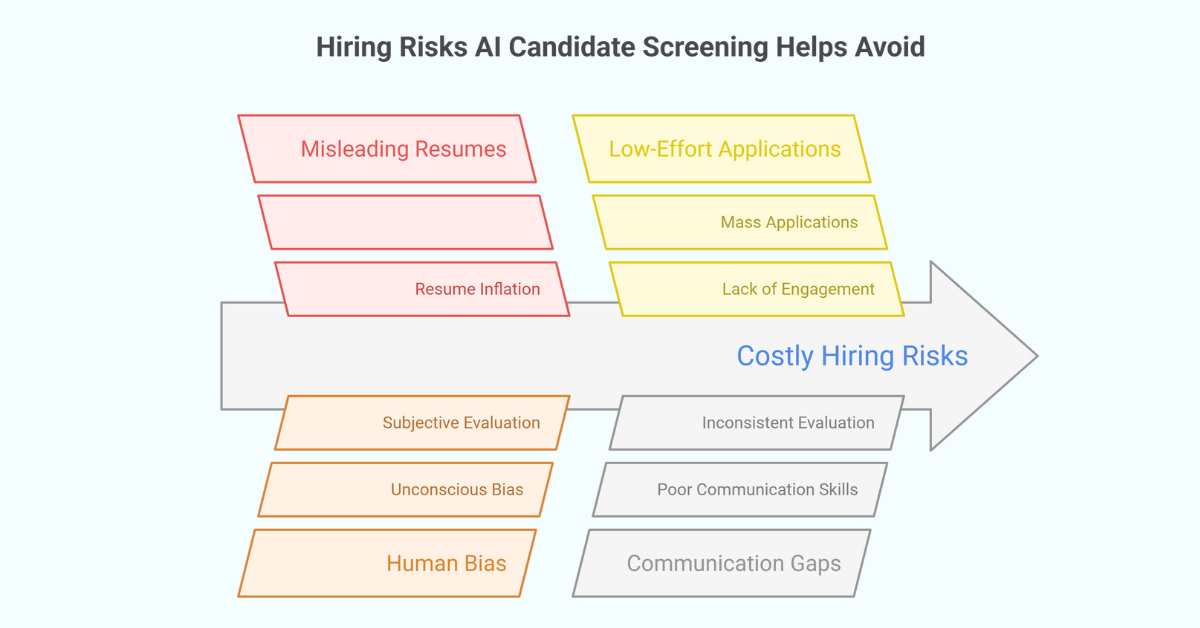
AI Candidate Screening helps employers avoid costly hiring risks by bringing consistency, transparency, and intelligence into modern recruitment. Remote Recruit uses AI Candidate Screening to help companies hire smarter, faster, and with confidence.
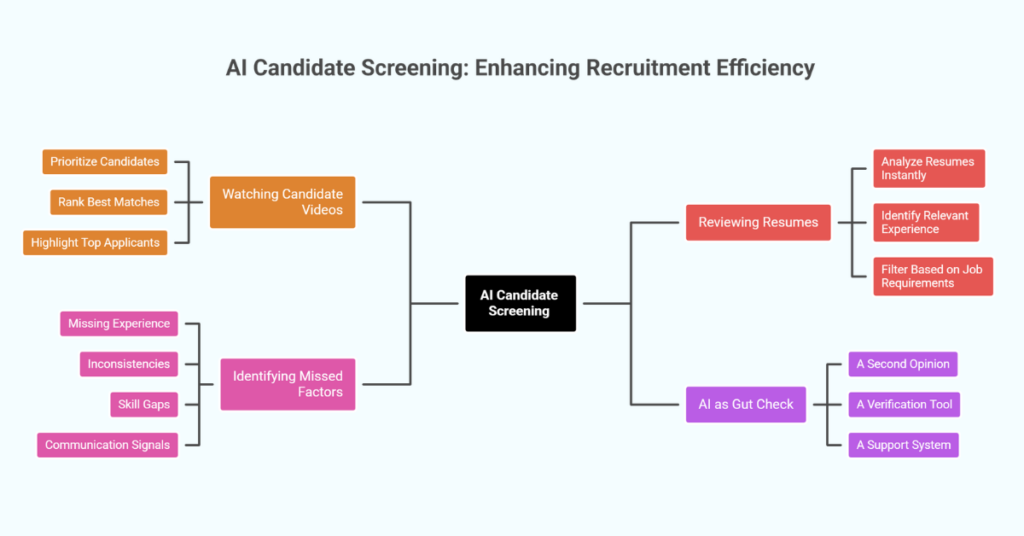
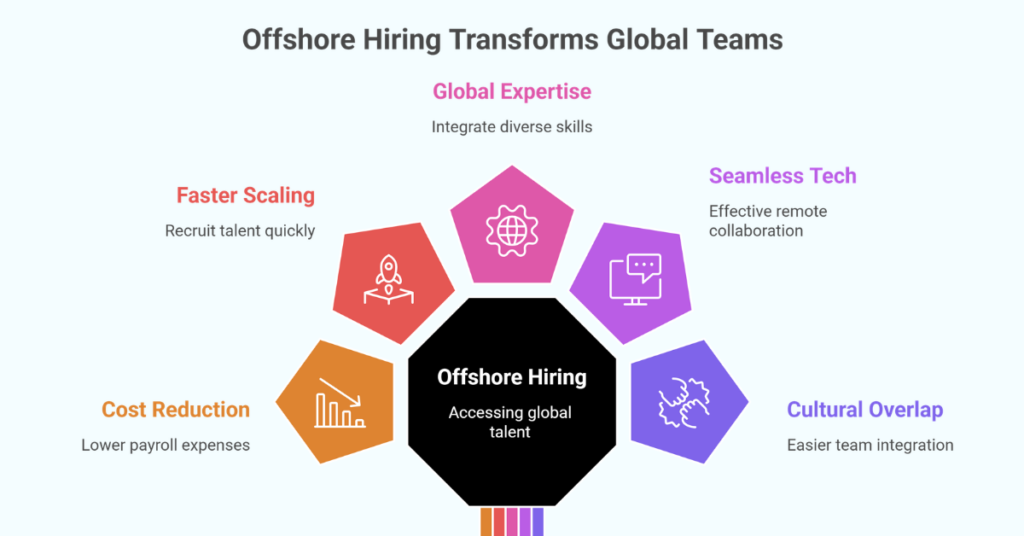
Hiring has become significantly more complex as companies move toward remote and global work models. Employers now receive larger volumes of applications, evaluate candidates across borders, and rely on digital signals instead of in-person interactions. At the same time, resumes are easier to manipulate, applications are often mass generated, and unconscious bias still influences early decisions. Research consistently shows that a bad hire can cost a company anywhere from twenty to thirty percent of the employee’s annual salary due to lost productivity, rehiring costs, and onboarding time. These risks are amplified in remote and offshore hiring where verification is harder and mistakes are more expensive to fix. AI Candidate Screening addresses these challenges by adding structure, consistency, and intelligence to early-stage hiring decisions. Instead of relying solely on manual review and intuition, employers can use AI to identify patterns, flag risks, and surface the most relevant candidates. When used correctly, AI Candidate Screening does not replace human judgment. It strengthens it by reducing risk and improving hiring outcomes across remote and global teams.
1. Hiring Candidates Based on Polished but Misleading Resumes
One of the most common hiring risks today is trusting resumes that look impressive but do not reflect real capability. Resume inflation has increased as templates and AI tools make it easy to exaggerate experience.
AI Candidate Screening reduces this risk by analyzing consistency across resumes, applications, and screening responses. It identifies gaps, overused phrasing, and patterns that suggest automation or misrepresentation. This allows recruiters to investigate further before advancing candidates. Employers gain a clearer picture of who truly meets role requirements. By catching misleading resumes early, companies avoid costly interviews and poor-fit hires.
2. Overlooking Qualified Candidates Due to Human Bias
Unconscious bias remains a major risk in hiring, especially when recruiters review large volumes of applications quickly. Factors like name, location, education, or background can influence decisions unintentionally.
AI Candidate Screening applies the same evaluation criteria to every applicant. It focuses on skills, experience, and role alignment rather than subjective signals. This reduces the likelihood of overlooking strong candidates due to bias. Fairer screening leads to more diverse and capable teams. Employers also strengthen their reputation by demonstrating a commitment to equitable hiring practices.
3. Advancing Low Effort or Mass Applications
Remote roles attract high application volumes, including candidates who apply broadly using automation with little genuine interest. These low-effort applications slow down hiring and waste recruiter time.
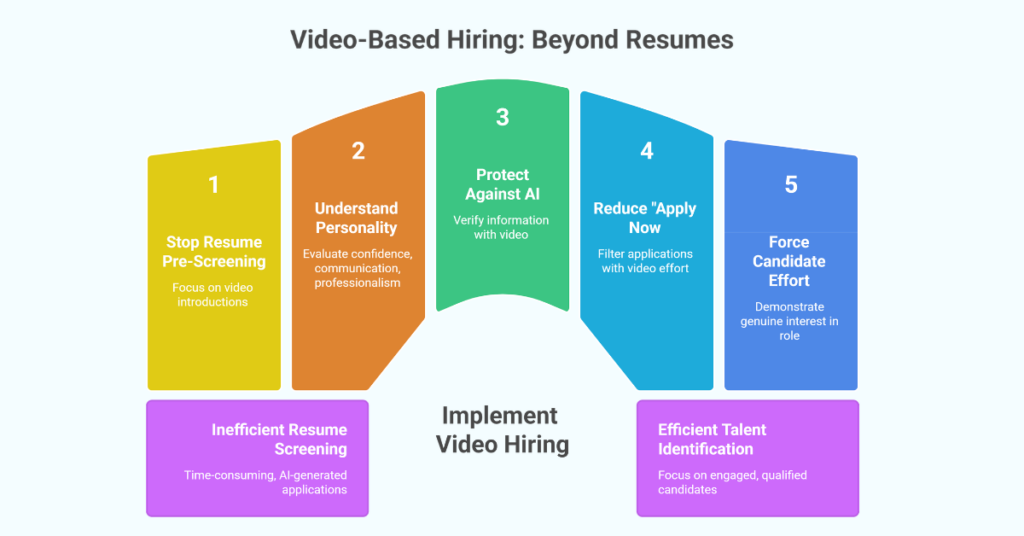
AI Candidate Screening identifies engagement and effort signals across applications. It flags generic responses, repeated patterns, and minimal alignment with the role. Recruiters can then focus on candidates who demonstrate intention and preparation. This improves the quality of the hiring funnel. Reducing noise early helps employers move faster and hire candidates who are more likely to perform and stay.
4. Missing Communication Readiness for Remote Roles
Communication breakdown is one of the leading causes of failure in remote and global hires. Yet communication ability is often poorly assessed during resume screening.
AI Candidate Screening evaluates written responses and behavioral signals to assess clarity, structure, and consistency. It highlights candidates who communicate effectively and follow instructions. Employers can identify communication gaps early instead of discovering them after hiring. This is critical for roles involving collaboration, reporting, or client interaction. Strong communication screening leads to smoother onboarding and better team performance.
5. Inconsistent Screening Across Regions and Teams
In global hiring, inconsistent evaluation standards create risk and confusion. Different recruiters may assess candidates differently based on region or personal judgment.
AI Candidate Screening enforces standardized evaluation across all applicants. Every candidate is assessed using the same benchmarks, regardless of location. This creates fairness and internal alignment. Hiring managers can compare candidates objectively with confidence. Consistency reduces internal disagreement and improves decision-making speed and accuracy.
6. Making Slow Hiring Decisions That Lose Top Talent
Delays in hiring are a major risk in competitive markets. Top candidates often receive multiple offers and move on quickly.
AI Candidate Screening accelerates early-stage evaluation by automating repetitive tasks and ranking candidates by relevance. Recruiters spend less time sorting applications and more time engaging qualified candidates. Faster decisions improve candidate experience and acceptance rates. Speed combined with accuracy helps employers secure top talent before competitors do.
How Remote Recruit Uses AI Candidate Screening for Employers and Job Seekers
Remote Recruit integrates AI Candidate Screening with video-based evaluation to create a balanced and human-centered hiring experience. For employers, the platform screens applications consistently, highlights communication readiness, and flags potential risks before interviews begin. This reduces hiring uncertainty and saves time. Employers gain visibility into global talent pools without relying solely on resumes.
Remote Recruit also combines AI insights with video profiles, allowing hiring teams to validate screening results through real human interaction. This ensures decisions are informed by both data and authenticity. Employers can scale remote and offshore hiring while maintaining fairness and quality.
For job seekers, Remote Recruit creates a transparent and equitable process. Candidates are evaluated based on skills, communication, and effort rather than geography or assumptions. AI Candidate Screening helps surface qualified candidates who might otherwise be overlooked. Video introductions allow job seekers to present themselves authentically. By verifying both employers and candidates, Remote Recruit builds trust and supports meaningful long-term hiring outcomes.
Conclusion
AI Candidate Screening plays a critical role in helping employers avoid the most common and costly hiring risks in modern recruitment. From misleading resumes and unconscious bias to poor communication screening and slow decision-making, these risks can derail hiring success and damage team performance. AI Candidate Screening introduces structure, consistency, and speed into the hiring process while supporting better human judgment.
As remote and global hiring continue to grow, employers who rely solely on manual screening will struggle to keep up. AI Candidate Screening enables companies to hire smarter without sacrificing fairness or quality. Platforms like Remote Recruit demonstrate how AI can be used responsibly to reduce risk and improve outcomes. By combining intelligent screening with human insight, employers can build stronger teams and make confident hiring decisions in an increasingly distributed workforce.
Frequently Asked Questions
What is AI Candidate Screening?
AI Candidate Screening uses artificial intelligence to evaluate applications, identify relevant candidates, and reduce hiring risk through consistent analysis.
How does AI Candidate Screening reduce hiring risk?
It detects inconsistencies, reduces bias, flags low-effort applications, and improves communication screening early in the process.
Is AI Candidate Screening suitable for remote and global hiring?
Yes. It is especially effective for remote and global hiring where high application volume and limited in-person interaction increase risk.
Does AI Candidate Screening replace recruiters?
No. AI supports recruiters by handling early screening and surfacing insights, allowing humans to focus on interviews and decisions.
How does Remote Recruit use AI Candidate Screening?
Remote Recruit combines AI screening with video profiles and employer verification to deliver fair, efficient, and reliable hiring outcomes.