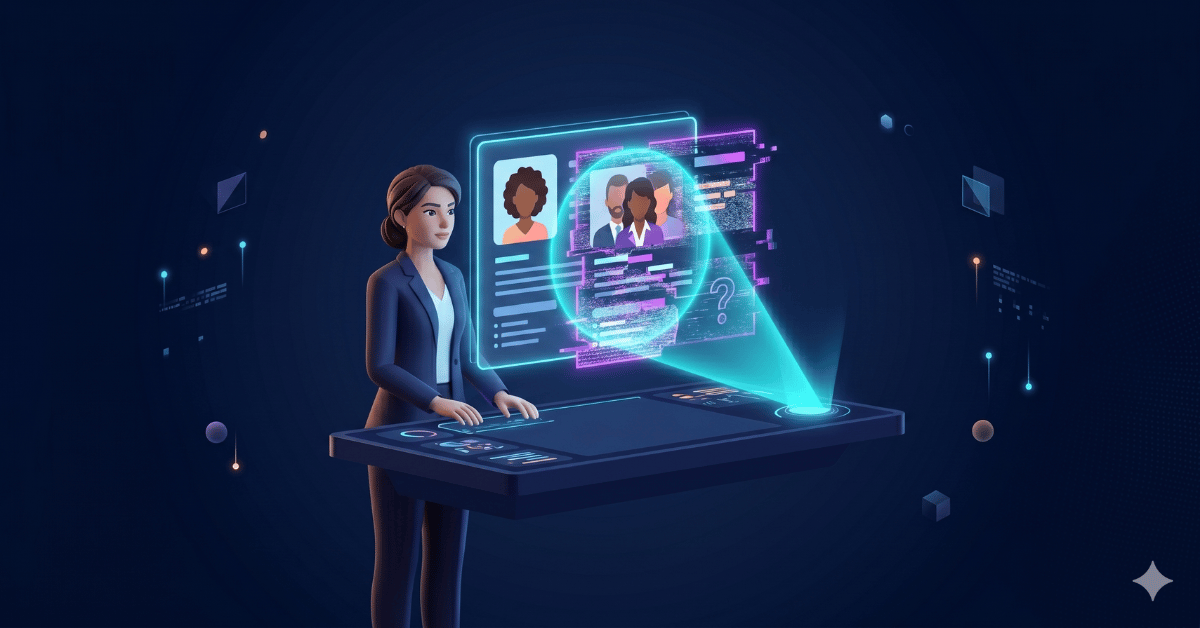
AI Candidate Screening helps employers detect hidden hiring risks by identifying inconsistencies, improving evaluation accuracy, and strengthening remote recruitment decisions at scale.
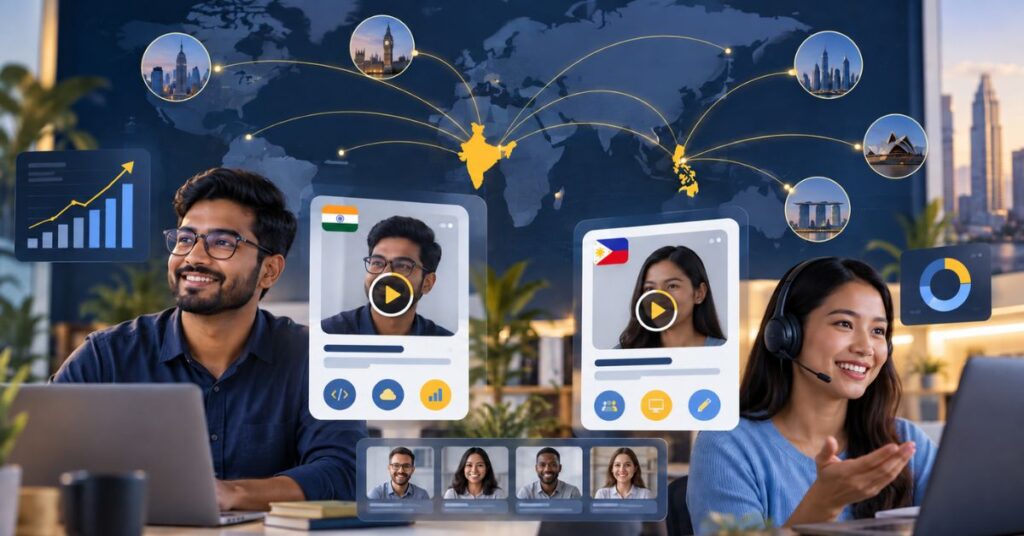
Hiring has become significantly more complex in today’s remote and global workforce environment. Employers now receive applications from candidates across multiple regions, often evaluating individuals they may never meet in person. While remote recruitment expands access to talent, it also introduces new risks that traditional hiring systems struggle to detect. Employers face challenges related to inaccurate resumes, inconsistent evaluation processes, communication gaps, and AI-assisted manipulation during applications. Studies show that poor hiring decisions can cost businesses thousands of dollars in lost productivity, onboarding expenses, and replacement costs. These risks become even greater when companies hire remotely at scale. Traditional screening methods often rely heavily on resumes and manual review, which can create blind spots in the hiring process. AI Candidate Screening is transforming recruitment by helping employers identify hidden hiring risks earlier and more consistently. By combining structured evaluation, automated analysis, and data-driven decision-making, organizations can improve hiring accuracy while reducing bias and inefficiency. As remote recruitment continues to evolve, AI Candidate Screening is becoming a critical tool for businesses seeking stronger and more reliable hiring outcomes.
1. Detecting Resume Inconsistencies and Misrepresentation
One of the biggest hidden hiring risks is inaccurate or misleading candidate information.
Candidates may exaggerate achievements, list outdated skills, or optimize resumes using AI-generated content. Manual review alone often makes it difficult for recruiters to identify inconsistencies. AI Candidate Screening helps analyze resumes, compare application data, and identify patterns that may indicate misrepresentation. This improves verification and reduces the likelihood of advancing unsuitable candidates. Employers gain greater confidence in the accuracy of candidate information before moving forward in the recruitment process.
2. Identifying Communication and Collaboration Risks Early
Strong communication is essential for remote work, yet many hiring systems fail to evaluate it effectively during early screening stages.
Candidates may possess technical skills but struggle with communication, collaboration, or professionalism in distributed work environments. AI Candidate Screening combined with video-based hiring helps employers assess communication patterns and engagement levels earlier in the process. This creates better visibility into how candidates may perform within remote teams. Identifying communication risks early reduces hiring mistakes and improves long-term team productivity.
3. Reducing Bias and Inconsistent Hiring Decisions
Bias and inconsistency are major challenges in recruitment, especially when multiple recruiters evaluate candidates differently.
Traditional hiring processes often rely on subjective judgment and personal interpretation. AI Candidate Screening introduces structured evaluation criteria that apply consistently across all applicants. This improves fairness and reduces unconscious bias in hiring decisions. Employers can evaluate candidates more objectively while maintaining transparency in the recruitment process. Standardized screening frameworks also improve decision accuracy and hiring confidence.
4. Managing High Volumes of Applications Efficiently
Remote recruitment often results in overwhelming application volumes, making manual screening inefficient and time-consuming.
Recruiters reviewing hundreds or thousands of applications may unintentionally overlook strong candidates. High application volumes also slow down hiring timelines and increase operational pressure on recruitment teams. AI Candidate Screening helps filter applications intelligently and prioritize candidates based on relevance and qualifications. This improves efficiency while allowing recruiters to focus on deeper evaluation and relationship building. Faster and more organized screening leads to better hiring outcomes.
5. Detecting Potential Fraud and AI-Assisted Manipulation
As AI tools become more accessible, some candidates use them to manipulate applications, assessments, or communication.
Employers are increasingly concerned about proxy interviews, AI-generated responses, and misleading candidate representation. Traditional recruitment methods are not always equipped to detect these risks effectively. AI Candidate Screening combined with video-based hiring creates additional layers of verification and authenticity assessment. Structured workflows help employers identify suspicious patterns or inconsistencies during evaluation. This strengthens trust and reduces recruitment risk in remote hiring environments.
6. Improving Long-Term Hiring Accuracy and Retention
Poor hiring decisions can create long-term business challenges related to productivity, retention, and team performance.
AI Candidate Screening helps employers make more informed decisions by providing deeper insight into candidate suitability. Structured evaluation improves alignment between job requirements and candidate capabilities. Better hiring accuracy often leads to stronger employee retention and improved team performance. Organizations that invest in smarter screening systems reduce costly turnover and improve workforce stability. Long-term hiring success depends on identifying the right talent early and consistently.
How Remote Recruit Uses AI Candidate Screening to Improve Hiring Outcomes
Remote Recruit is designed to help employers overcome modern recruitment challenges through AI Candidate Screening and video-based hiring. The platform combines intelligent screening workflows with structured evaluation tools to improve hiring accuracy and reduce risk. Employers can analyze applications more efficiently, identify qualified candidates faster, and assess communication skills through video responses.
Remote Recruit helps businesses manage high application volumes without compromising quality. AI-driven workflows prioritize relevant candidates and reduce manual review effort. Video-based hiring features allow employers to evaluate professionalism, communication ability, and authenticity early in the hiring process. This creates a more complete picture of candidate suitability.
For job seekers, Remote Recruit provides a fair and transparent way to showcase their abilities beyond resumes alone. Video profiles help candidates demonstrate personality, communication, and confidence. Structured evaluation systems ensure that candidates are assessed consistently and objectively. By combining AI, video, and remote recruitment technology, Remote Recruit creates stronger hiring experiences for both employers and professionals in the global workforce.
Conclusion
Modern recruitment requires more than reviewing resumes and conducting traditional interviews. Remote work and global hiring have introduced new risks that employers must manage carefully. AI Candidate Screening helps businesses identify hidden hiring risks related to misrepresentation, communication gaps, bias, and application manipulation. By improving visibility and consistency during screening, organizations can make better hiring decisions and reduce recruitment inefficiencies.
As application volumes continue to grow, manual screening processes become increasingly difficult to manage effectively. AI recruitment software provides the scalability and structure needed to support accurate and efficient remote recruitment. When combined with video-based hiring, employers gain deeper insight into candidate authenticity and communication ability.
Platforms like Remote Recruit demonstrate how AI Candidate Screening can transform hiring outcomes for modern businesses. Organizations that adopt intelligent screening systems will be better positioned to attract high-quality talent, reduce hiring risk, and build stronger remote teams. The future of recruitment will depend on combining human judgment with technology-driven evaluation frameworks that support fairness, speed, and trust.
Frequently Asked Questions
What is AI Candidate Screening?
AI Candidate Screening uses artificial intelligence to evaluate applications, identify qualified candidates, and improve recruitment efficiency.
How does AI Candidate Screening reduce hiring risks?
It helps detect inconsistencies, reduce bias, identify communication risks, and improve screening accuracy.
Can AI Candidate Screening improve remote recruitment?
Yes. AI helps manage high application volumes and improves consistency in evaluating remote candidates.
Why is video-based hiring important with AI screening?
Video-based hiring adds authenticity and communication assessment that resumes alone cannot provide.
How does Remote Recruit support AI Candidate Screening?
Remote Recruit combines AI-driven workflows with video-based hiring to improve hiring accuracy and reduce recruitment risk.
Sign up on Remote Recruit today to strengthen your hiring process with AI Candidate Screening and modern remote recruitment tools designed for global hiring success.